


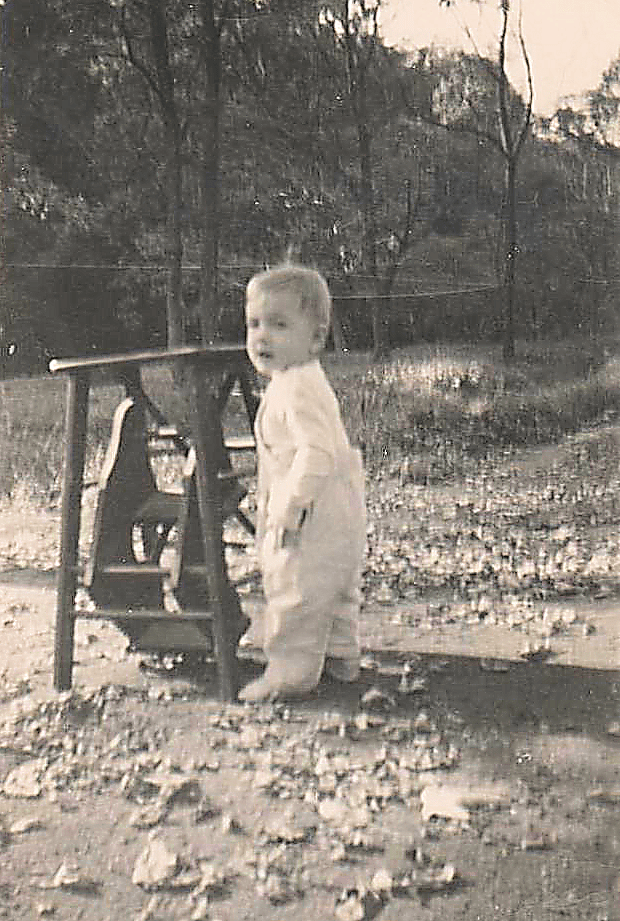
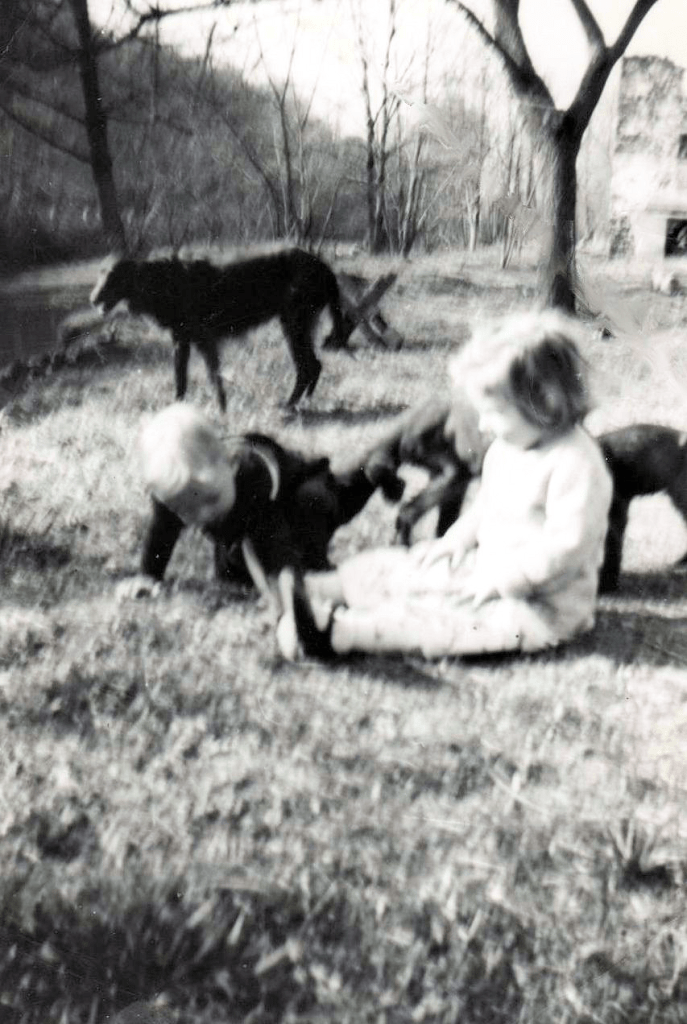
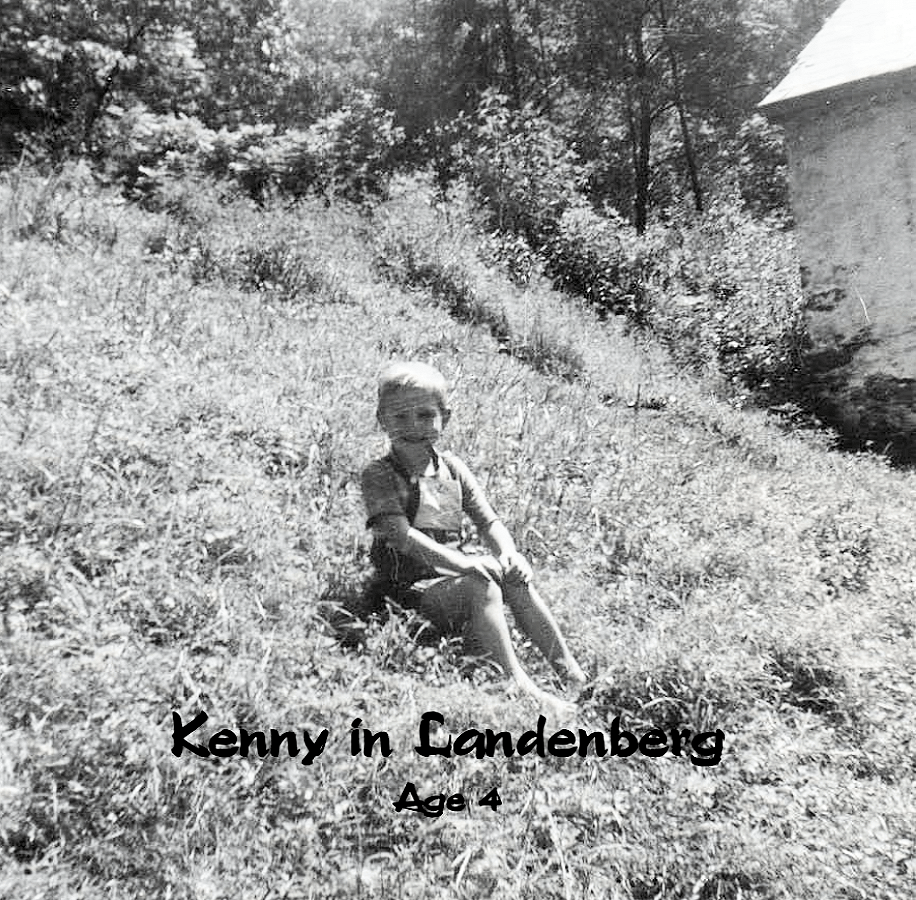
1949. Landenberg, Pennsylvania. Most people never heard of it. But it’s a real place where cat-sized bullfrogs lived, and cows, chickens, roosters, lizards, trees, hills, valleys, brooks, streams, and spring water trickling from ancient rocks. It was a child’s paradise. Better than PlayStation. Even better than iPhones.
No one living there that I knew had running water, heat pumps, or inside toilets. In the old rickety outhouse, newspapers and pages from the Sears catalog served as toilet paper. In the summer, kids went barefoot because they didn’t have shoes to wear. In the winter, we all nearly froze to death.
We swam in the creek in front of the house, ventured through the woods, and straddled fallen trees and limbs pretending they were horses. In the winter we played in the snow, made silly snowmen, threw snowballs, and drank hot chocolate near a blazing fire in the rock fireplace. Living in those plush, rolling hills of Landenberg, Pennsylvania, our family was many things, but poor wasn’t one of them. We were the richest family on the planet.
It was going to be our forever home until sickness drove us out. Doctor’s orders. The house was too damp, he said. I guess he was right because, every winter, Daddy suffered bouts with malaria, complements of WWII, and Kenny and I had rheumatic fever.
It was night, and Mom was in the hospital when Daddy rented a truck, packed our few belongings, and drove us into the real world with all its bells and whistles; so-called luxuries that people couldn’t live without. Bigger houses, fancier clothes, and a schoolhouse with more than one room. It even had running water, toilets you could actually flush, and real toilet paper.
We moved to Cooches Bridge, a historic district located at Old Baltimore Pike, Newark, Delaware, not far from Landenberg. However, we didn’t move into a bigger, fancier house like those down the road. We moved into a tiny, upstairs cinder-block apartment with dozens of homing pigeons roosting and cooing below. I called it the pigeon coup. Daddy had his woodworking shop down there. He liked it. It had a flushing toilet.
Mom liked it there, too. She didn’t have to carry in firewood, wash clothes on the scrub board, and get up in the freezing cold each morning to start the fire in the wood stove and fireplaces.
I loathed living there. Compared to our magnificently, rundown, creaky, little three-story farmhouse in paradise, this was like a grassless, treeless, waterless, critterless, rockless prison! I was too ashamed to tell anyone I lived there. Every afternoon getting off the school bus, I’d creep like a sloth toward the long, dirt driveway leading to the cinder-block pigeon coup. Of course, everyone knew. I just pretended that they didn’t.
Reality soon became a nightmare of trying to belong in a place I didn’t even want to be. Like a fox without a den, I was lost, frightened, and alone. I never knew I was so utterly shy, timid, and poor.
In the heart and mind of that carefree, little girl, swinging on the swing, the wind toying with her golden-red hair, nothing was missing from her life. She had it all. There was nothing more she needed.
Now, sliding quietly behind her wooden school desk, feeling naked, and exposed, she crawled inside herself, closed and locked the door. No one could know her fear. No one must see her tears. No one can ever know how much it hurts.
Yes, she was introduced to a new world with all its modern-day baubles and trinkets. And though this new world tried convincing her she needed more, she’d race back to that place few people ever heard of, where her life began and flourished like a beautiful blossom, where dreams came true, Santa Claus was real, and no one was poor. No one died of starvation. No one went naked. Landenberg, Pennsylvania. Always in my heart, forever on my mind.


 Straight From the Heart